Starting a magnolia tree from a sapling is one of the most rewarding gardening projects a homeowner can take on. With a little basic tree care and some patience, a young magnolia will develop strong roots and, in a few years, reward you with spectacular blooms.
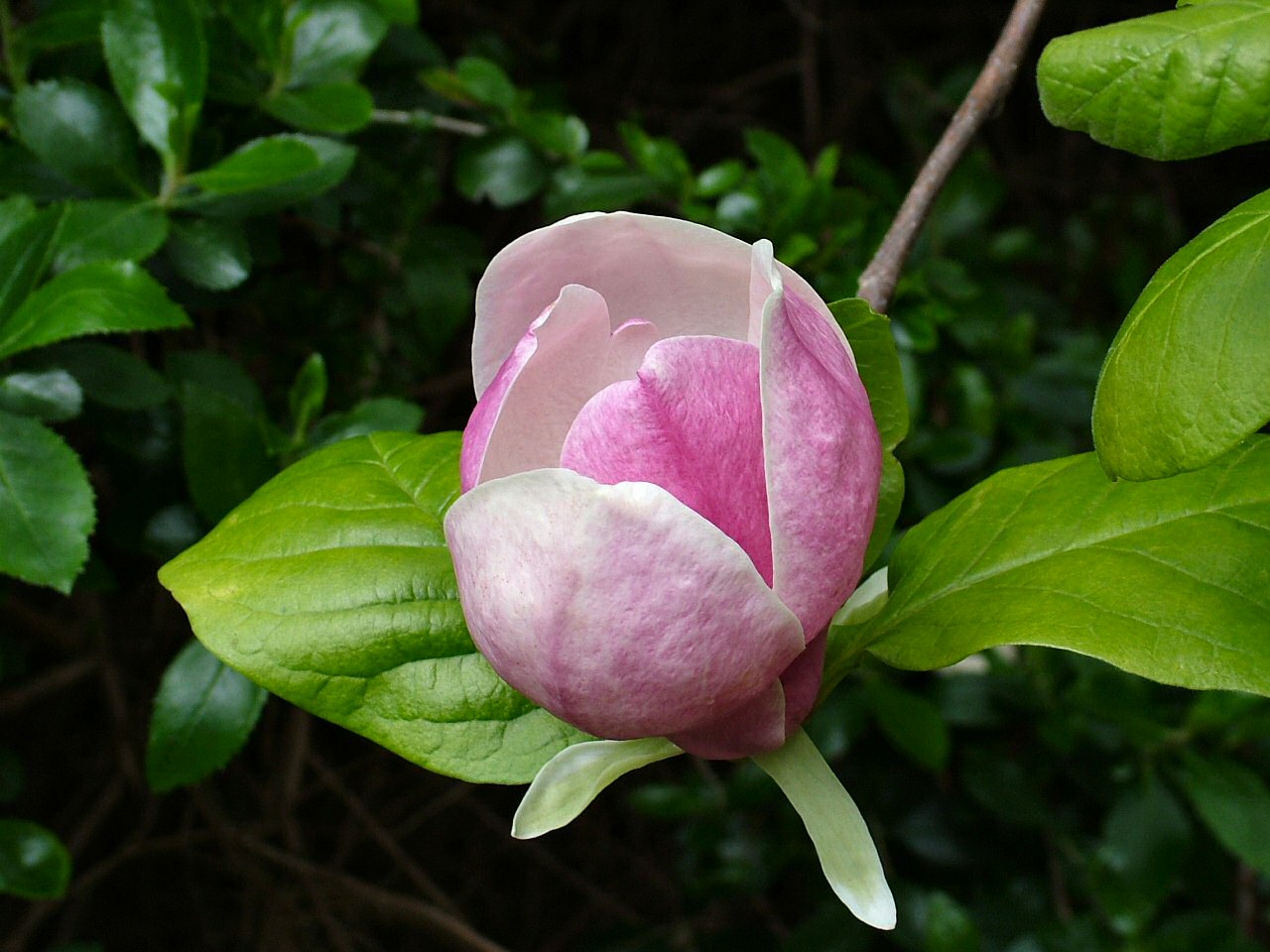
Photo via Wikimedia Commons; photo by James F. (James Forrester), CC BY 1.0.
Picking the right sapling
Start by buying a healthy young tree from a reputable nursery. Look the plant over for any signs of disease or damage before you bring it home. Two widely planted species are Magnolia grandiflora, a favorite among evergreen trees, and Magnolia stellata, the star magnolia, which is deciduous and loses its leaves each winter.
Container-grown trees are a great option because they transplant with less disturbance to the roots. Most magnolias do best in USDA hardiness zones 5 through 9.
Where and when to plant
When it comes to planting trees, location and timing make all the difference. Full sun is ideal for a young magnolia — southern magnolias in particular love sunshine — although some varieties will tolerate partial shade.
Put your tree in the ground in spring or fall, and choose a spot with plenty of room to grow, because magnolias eventually become large, broad trees.
Planting it right
Dig the planting hole twice as wide as the root ball, but no deeper than the root ball itself. Mix some compost into the backfill soil, aiming for roughly 25 to 50 percent compost blended with the native topsoil.
Before setting the tree in place, loosen any circling roots so they grow outward instead of wrapping around themselves. Position the tree so the root flare sits right at the level of the surrounding soil, then backfill gently, firming the soil to remove air pockets.
Watering
Proper watering is the single most important thing you can do for a new magnolia. Water deeply right after planting — roughly 5 to 10 gallons, or a couple of full watering buckets.
Keep the soil consistently moist through the first growing season, watering deeply once or twice a week during dry spells. Once established, magnolias need less help: water only when the leaves begin to wilt or droop, and never let the soil stay soggy for long.
Mulch and soil
A generous ring of mulch helps young trees in more ways than one. Spread 2 to 3 inches of organic mulch, such as shredded bark or pine needles, around the base of the tree, but keep it a few inches away from the trunk itself.
Magnolias prefer well-draining, loamy soil that is slightly acidic, with a pH around 5.5 to 6.5.
Feeding and pruning
Once your tree is established, feed it lightly once a year in early spring with a balanced fertilizer. Skip feeding during the first year so the roots can settle in.
Pruning is rarely necessary for magnolias — simply remove any dead or damaged branches, and if you need to shape the tree, prune after flowering is finished.
Protecting young trees
Give your young tree some extra protection during its first years. In windy spots, stake the tree loosely for the first year, then remove the stakes. If rabbits are a problem, a simple tree guard will protect the bark.
In colder climates, shield the tree for its first couple of winters with extra mulch and a burlap windbreak. Keep an eye out for pests such as aphids, scale, and mealybugs, which can be treated with insecticidal soap, and watch for powdery mildew on the leaves.
A little patience
Magnolias can take a few years before they produce their first blooms, but the wait is worth it. Give your young tree good care now, and it will reward you with flowers for decades to come.

No comments:
Post a Comment